AI and Consumer Trust
My Dissertation explored the question:
‘How does the use of AI in digital advertising influence consumer trust and behaviour towards digital marketing content?’
Using primary research methods, I investigated whether consumers respond differently to AI-generated advertising and how factors such as transparency, authenticity and perceived human involvement influence their trust and behaviour towards digital marketing content.

74%
My Approach:
Online survey - 50 participants examining attitudes towards Generative AI marketing content
In-person focus group - 5 participants exploring perceptions and opinions in greater depth
Applied Theory:
Technology Acceptance Model - (Davis, 1987)
Key Findings
Of Participants Are Less Likely to Engage With Marketing Content When Generative AI Has Been Used
44%
Of Participants Reported That The Use Of AI Did Not Reduce Their Trust When Presented With a Familiar Brand With a Pre-Existing Strong Consumer Relationship
These findings highlight the importance of transparency, ethics and authenticity when brands use generative AI for digital marketing
Digital Asset
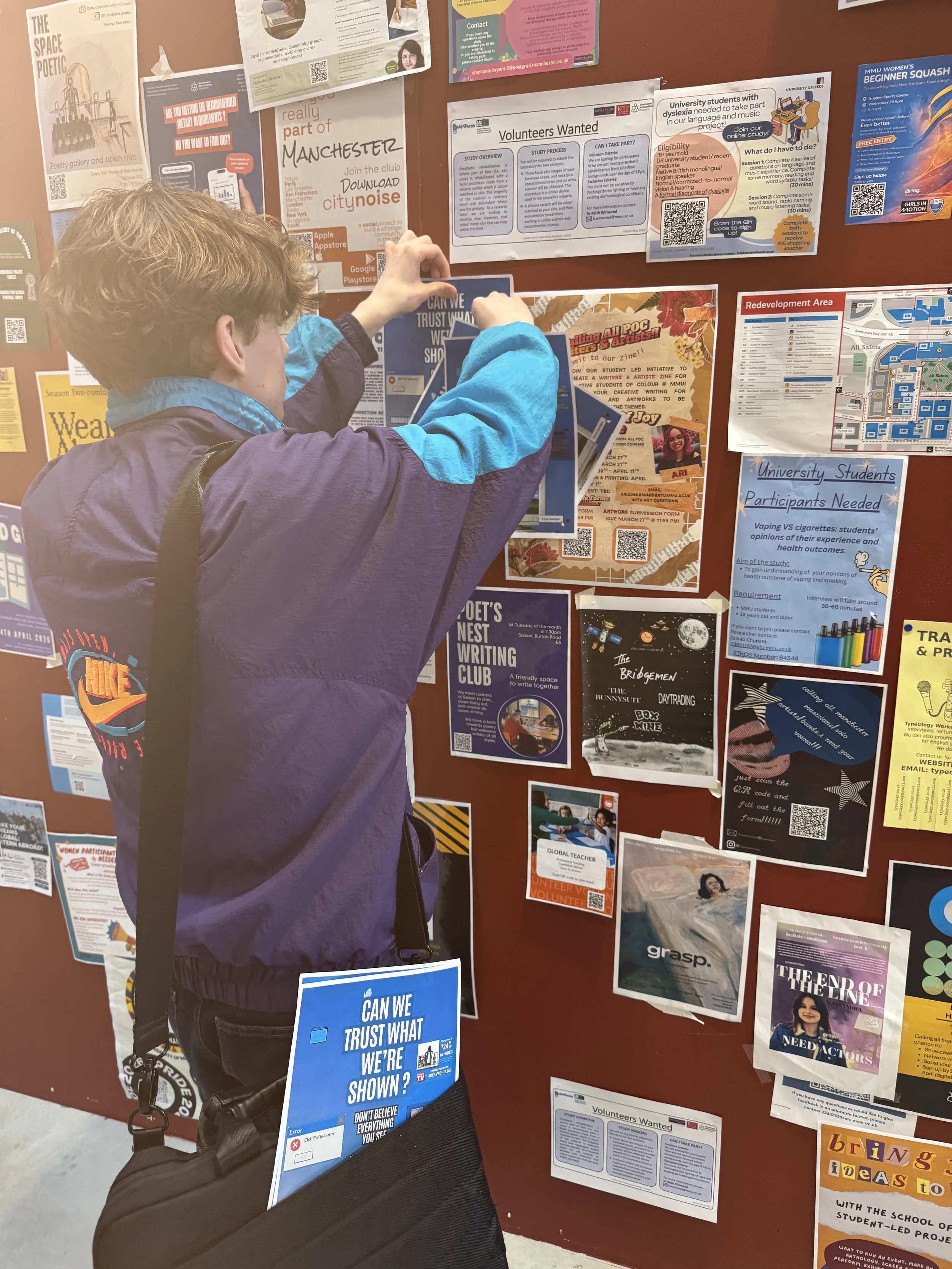
Through visual storytelling, my digital asset compares traditional marketing methods from the 2000s with modern-day approaches, highlighting a common theme to bring both timelines together: The shift to choice over creation


100%
Of Focus Group Participants Felt AI Is a Lazy Approach Towards Content Creation, And Prefer When AI Is Used To Support Content Creation Rather Than Replacing It